Introduction
When it comes to landscaping and structural stability, maintaining walls play an essential function. These engineered structures not just serve the practical function of avoiding soil disintegration however also add aesthetic value to your residential or commercial property. Whether you're aiming to improve the charm of your garden or need a practical service for irregular surface, understanding the nuances of retaining wall builders is essential. Our goal here is to check out the complex world of retaining wall building and construction, concentrating on products such as timber sleeper, concrete sleeper, and H-beam methods employed by experts in the field.
Retaining Wall Builders: Crafting Stability and Beauty
Building a retaining wall is no small task; it requires cautious preparation, specialist understanding, and an eye for design. Retaining wall home builders are competent craftsmens who comprehend the science behind stability while making sure that beauty isn't compromised. They work carefully to choose the right materials and methods customized to satisfy each special requirement.
Why Choose Professional Retaining Wall Builders?
The concern develops: why should you think about employing professional retaining wall builders rather of handling the job yourself?
- Expertise: Experts have extensive training and experience in constructing durable maintaining walls. Safety: A badly developed wall can result in catastrophic failures. Professionals guarantee that walls are safe and certified with regional regulations. Aesthetics: Experienced contractors know how to incorporate walls into the landscape seamlessly, boosting your home's visual appeal.
Understanding Various Kinds of Maintaining Walls
1. Gravity Walls
Gravity walls rely on their weight to withstand lateral earth pressure. These walls can be made from numerous products consisting of stone or concrete.
Advantages of Gravity Walls
- Simple design Cost-effective Naturally blends with landscape
2. Cantilevered Walls
Cantilevered walls utilize utilize; they are typically made from enhanced concrete and have a thick base that extends back into the soil.
Benefits of Cantilevered Walls
- Economical for taller structures Efficient use of material Can deal with substantial loads
3. Anchored Walls
Anchored retaining walls are protected by anchors that extend into steady soil or rock behind them.
Pros of Anchored Walls
- Suitable for high slopes Added stability without big masses Flexible style options
Key Products Utilized by Retaining Wall Builders
Timber Sleeper Retaining Walls
Timber sleepers have actually ended up being significantly popular due to their natural appearance and ease of installation.
Characteristics of Timber Sleepers
- Environmentally friendly Versatile in design Cost-effective compared to other materials
Considerations: While timber provides many advantages, it's important to pick cured wood resistant to rot and pests.
Concrete Sleeper Retaining Walls
Concrete sleepers provide a robust alternative known for their durability.
Features of Concrete Sleepers
- High strength-to-weight ratio Minimal upkeep required Resistant to weather conditions
Installation Tips: Correct drainage behind the wall is vital to avoid water accumulation which might weaken its stability.
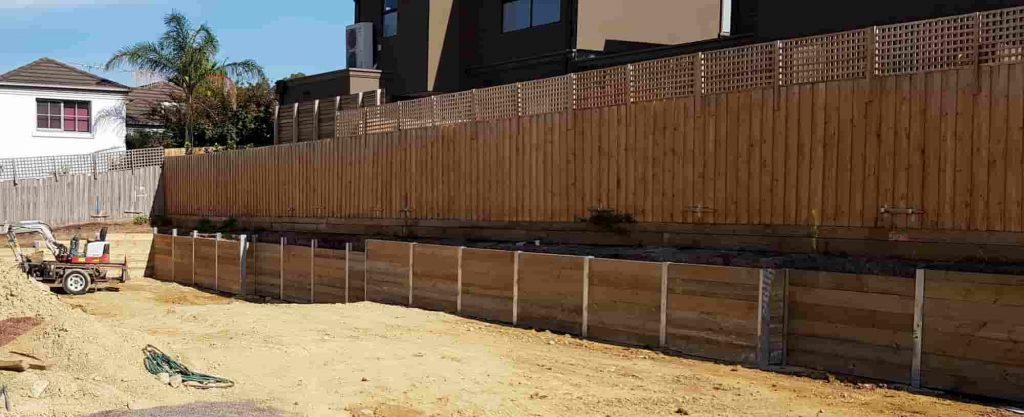
H-Beam Keeping Walls
H-beams supply remarkable support thanks to their shape which allows them to distribute weight evenly.
Advantages of H-Beams
- Superior load-bearing capacity Durable versus ecological elements Quick setup process
Usage: Typically used in industrial applications due to their reliability and strength.
The Design Process for Retaining Walls
Site Assessment
Before any building begins, a detailed website assessment should be performed. This involves examining:
Soil type Drainage patterns Existing vegetationPlanning & Style Phase
Once examined, it's time for style-- this includes determining:
The height and length of the wall. Material choice (timber sleeper vs concrete sleeper). Aesthetic considerations.Construction Strategies Used by Professionals
Excavation & Preparation
The first step in developing a retaining wall is excavation-- guaranteeing that you have firm ground upon which your wall will sit is critical.
Remove topsoil. Level out the area appropriately. Create drainage channels if necessary.Foundation Work
A strong foundation assurances stability:
Lay down gravel for drainage. Set up formwork if using concrete. For wood sleepers, establish anchor points in the ground.Installation Actions for Different Kinds Of Materials
Installing Timber Sleeper Walls
Measure and cut sleepers according to your design. Position them vertically or horizontally based upon aesthetics. Secure them utilizing stakes or brackets for added strength.Installing Concrete Sleeper Walls
Mix concrete according to specifications. Pour concrete into kinds established throughout foundation work. Allow appropriate treating time before applying additional layers or finishes.Installing H-Beam Walls
Drive H-beams into pre-dug holes at defined intervals. Backfill around beams while preserving level alignment. Use extra supports if needed during building phases.Drainage Solutions for Keeping Walls
Proper drain is paramount when constructing any type of retaining wall as it assists prevent hydrostatic pressure accumulation which can result in failure over time.
Why Is Drain Important?
Hydrostatic pressure can deteriorate your structure leading it possibly collapsing under excess water weight; hence:
Incorporate weep holes throughout construction. Use drainage pipelines behind the wall directing water far from foundation areas. Ensure correct grading around the base so water streams far from your structure effectively.Maintenance Tips for Lasting Maintaining Walls
To keep your maintaining walls looking great while functioning correctly:
Regularly examine for cracks or bulging indications indicating failure. Clean debris from weep holes periodically. Reapply treatments (for timber) every few years as required depending upon direct exposure conditions.FAQs about Retaining Wall Builders
Q1: Can I develop my own retaining wall?
A: Yes, you can develop one yourself; nevertheless, employing specialists ensures security and compliance with local guidelines while providing competence in design and product selection.
Q2: How long do timber sleeper walls last?
A: Dealt with timber sleeper walls can last anywhere from 15-- 30 years depending on ecological conditions and maintenance practices adopted over time.
Q3: What's more cost-effective - lumber or concrete sleepers?
A: Timber sleepers tend to be less expensive upfront than concrete; nevertheless, consider long-term maintenance expenses when making your decision.
Q4: Do I require a license for my keeping wall?
A: Depending upon local regulations relating to building projects, authorizations might be needed specifically if exceeding specific heights; always talk to local authorities.
Q5: Are there particular designs available?
A: Definitely! There are numerous styles ranging from rustic timber looks through streamlined modern styles featuring stone or brick finishes-- consulting experts typically yields customized solutions.
Q6: How do I know what material is finest suited?
A: Factors such as budget plan constraints, desired aesthetic appeals, height requirements together with environmental considerations all contribute towards choosing ideal materials-- seeking advice from specialists can significantly help this decision-making process!
Conclusion
In http://israelbuilderdgvr071.image-perth.org/why-proper-preparation-by-your-retaining-wall-builder-is-important conclusion, constructing a robust yet beautiful retaining wall is an endeavor that should have attention covering both artistry along with engineering prowess-- retaining wall home builders embody this balance skillfully! Whether going with timber sleeper solutions offering natural appeal or going robust with concrete sleep choices alongside innovative approaches like H-beams; engaging well-informed specialists ensures success throughout all stages-- from initial planning through continuous upkeep strategies!
With this comprehensive guide covering numerous aspects involved in producing stunningly stable landscape features we hope you feel much better equipped moving on! Embrace these insights offered here today-- your outside area will thank you later!